
Some parts are still mission-critical long after the drawings are gone.
Statt Engineering provides reverse engineering services for complex, legacy, obsolete, damaged, modified, and undocumented components. Using 3D laser scanning, Faro Arm CMM scanning, CAD reconstruction, dimensional verification, and precision CNC machining, we help aerospace, defense, medical, industrial, and automotive teams rebuild what they can no longer source or document.

A missing file is not a small inconvenience when the part keeps a program moving.
Maybe the original supplier is gone. Maybe the drawing is incomplete. Maybe the part has been modified in the field and no one trusts the revision history anymore.
Statt Engineering helps turn physical geometry back into usable engineering data, then moves that data into manufacturing. The goal is not a pretty scan. The goal is a part, tool, or component your team can inspect, machine, document, and use.
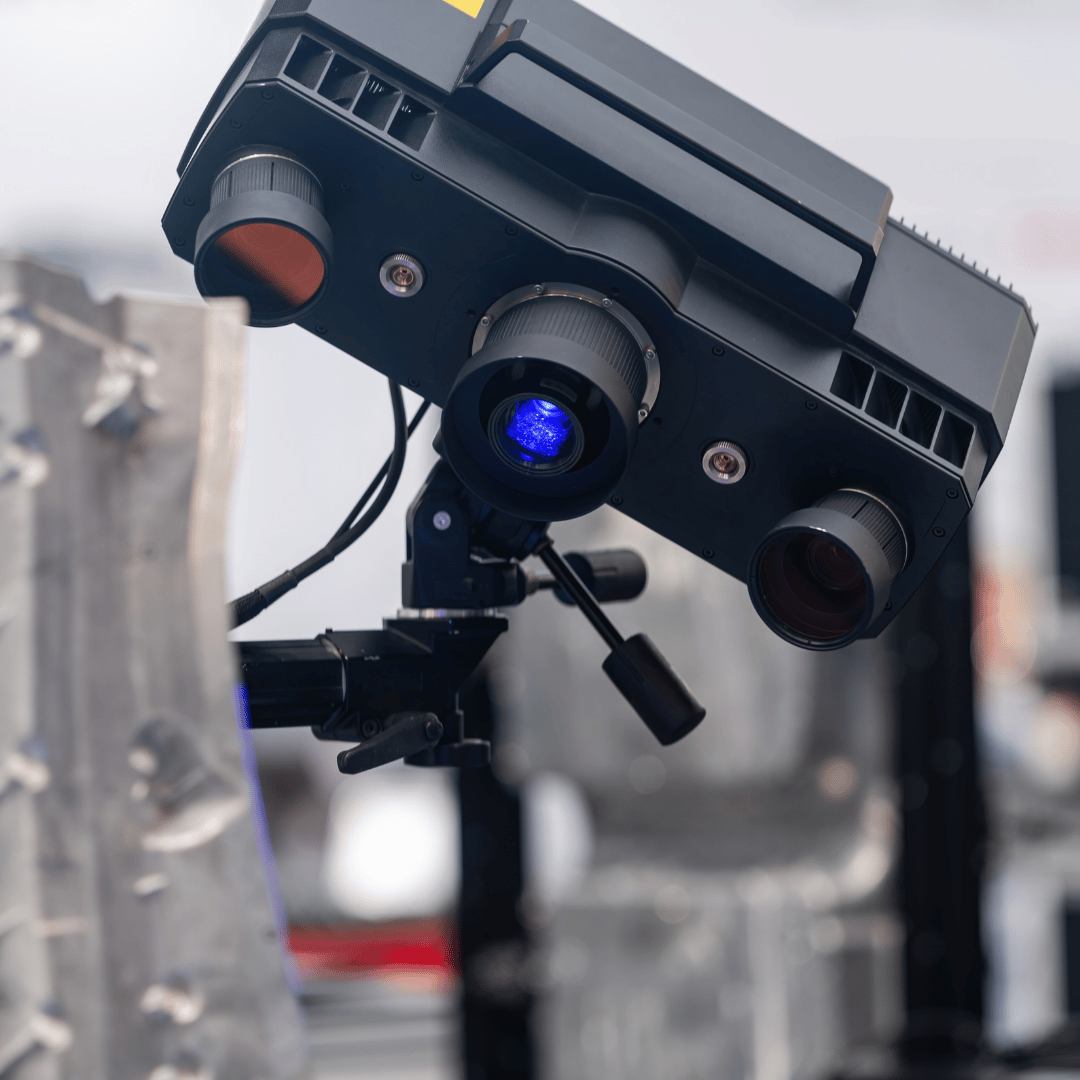
High-resolution scanning using MetraScan and Faro Arm tools to capture physical part geometry, complex surfaces, and inspection data.
Reconstructed CAD from physical parts, scan data, damaged components, obsolete tools, or undocumented geometry.
Inspection-grade comparison between scanned geometry, CAD models, and manufactured parts.
Updates to legacy designs for manufacturability, performance, durability, or practical production requirements.
A connected workflow from scan data to CAD modeling, CAM programming, and CNC production.
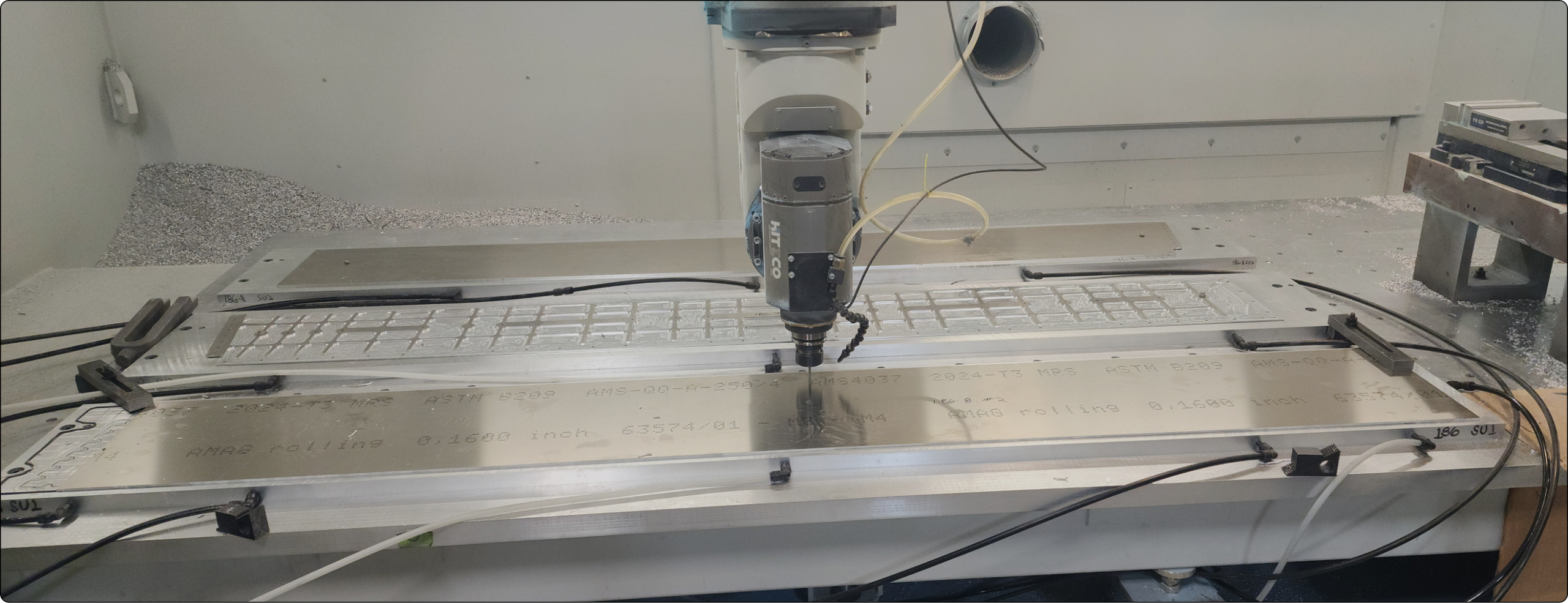
Machining support for recreated parts, tools, fixtures, or components once the model and manufacturing path are validated.


Reverse engineering only works when the process is controlled. A scan is the start, not the finished answer.
Process flow:
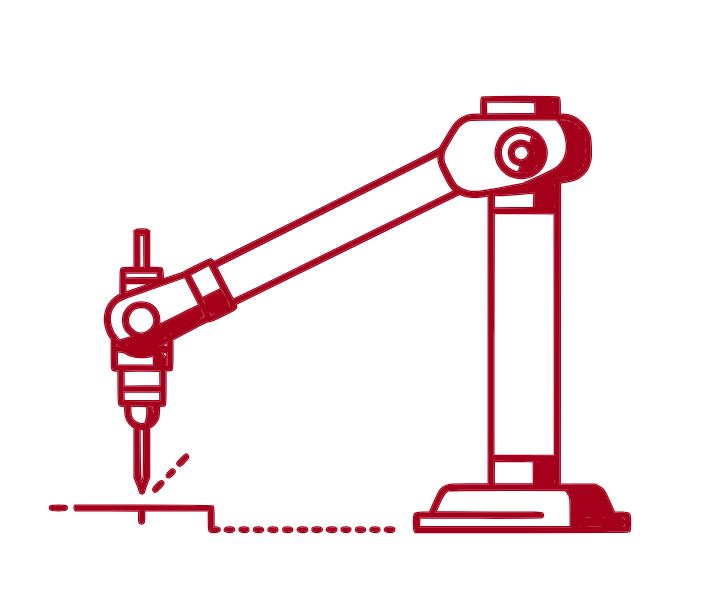
For oversized molds, master patterns, layup tools, and fixtures that require extended length, width, or depth.
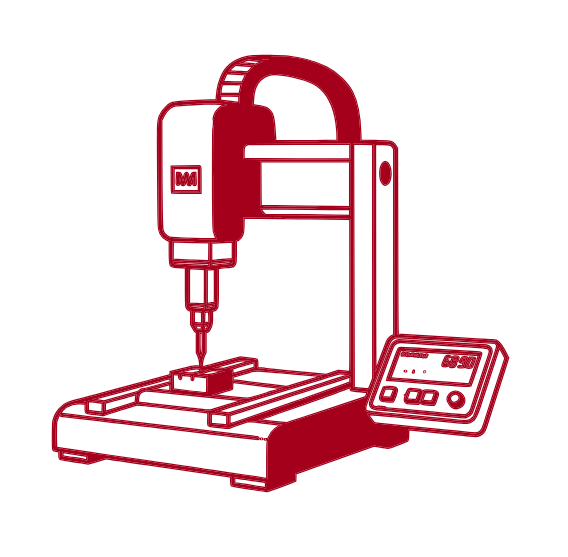
Used for probing, contact-based measurement, dimensional capture, and inspection support for mechanical parts.
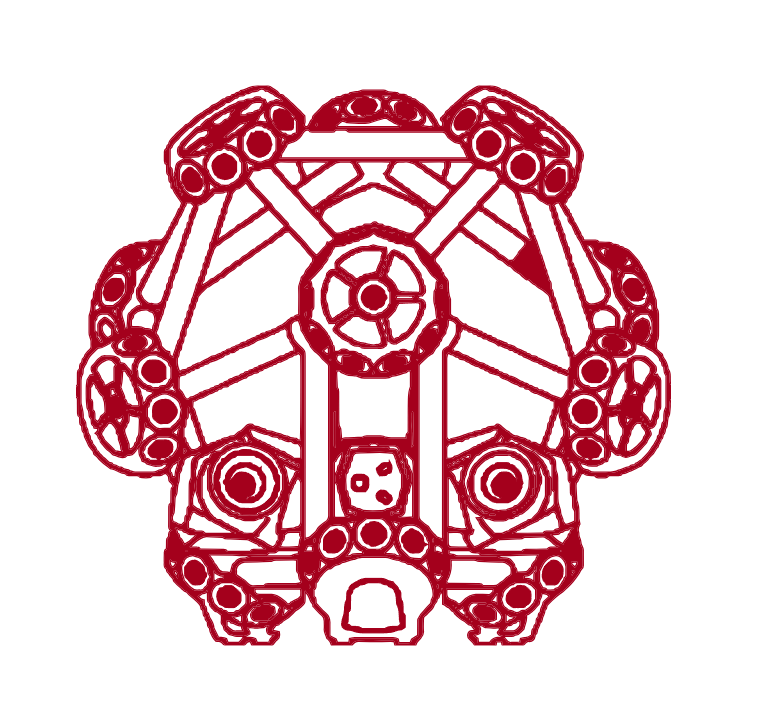
Used to capture complex geometries, high-resolution point clouds, surface detail, and part shapes that are difficult to document manually.
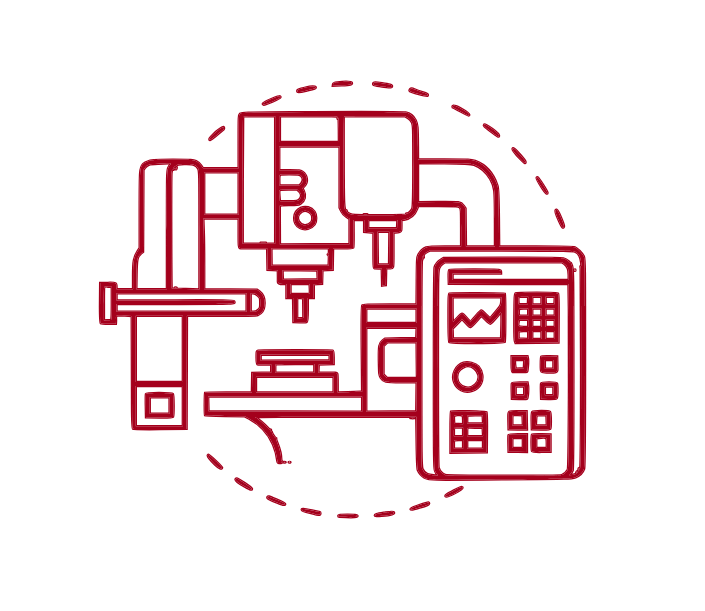
Used to reconstruct, validate, optimize, and prepare files for machining workflows.
Our Reverse Engineering Equipment
Reverse engineering is only useful if the data can be trusted. Statt Engineering uses scanning, metrology, CAD, CAM, and inspection tools to capture geometry, rebuild models, and verify the result before manufacturing.
A point cloud is not enough for most manufacturing teams. Statt Engineering rebuilds physical geometry into CAD models that can be reviewed, modified, verified, and used for machining. Depending on the part, that may include surface modeling, solid modeling, tolerance review, feature cleanup, or design optimization.


Aerospace
For aerospace, defense, medical, and industrial work, reverse engineering is not just a geometry exercise. The recreated model and manufactured part need inspection discipline behind them.
Statt Engineering supports reverse engineering projects with dimensional verification, CMM and inspection support, CAD comparison, and quality workflows aligned with AS9100D, ITAR, and NIST requirements.
Statt does not only machine what is sent over. We can support manufacturability, tool design considerations, validation, and practical production planning.
Statt emphasizes small-business agility with elite aerospace quality. This is especially important for overflow work and short-run or prototype tooling.
Statt supports tooling reproduction when original CAD, drawings, or master data is missing.
Need to start from the final product?
Reverse engineering often fails at the handoff between data capture and manufacturing.
Statt Engineering closes that gap with CAD-to-CAM integration and in-house precision CNC machining. Once the model is reconstructed and verified, our team can support programming, machining, inspection, and final part replication.
Yes. Statt specializes in reverse engineering complex, legacy, and undocumented components when CAD files or documentation no longer exist.
The documented tools include Faro Arm CMM scanning, MetraScan 3D laser scanning, CAD/CAM workstations, and CMM and inspection verification.
Yes. Statt supports surface and solid modeling to reconstruct CAD from physical parts.
Yes. Statt’s reverse engineering workflow includes CAD-to-cut integration, CAM programming, and CNC production.
Yes. Statt specializes in design optimization in a reverse engineering capability, including improving legacy designs for performance or manufacturability.
Yes. Statt supports aerospace and defense applications, has a AS9100 certification, and is ITAR compliance for sensitive applications.
Yes. Statt supports obsolete, damaged, modified, undocumented, and legacy parts.
If you need to recreate a legacy component, rebuild CAD from a physical part, verify geometry, or move from scan data into precision machining, Statt Engineering can help define the cleanest path from physical part to build-ready data.
Please fill out the form provided and we will respond to you promptly with a quote based on your inquiry.

